Stonehenge
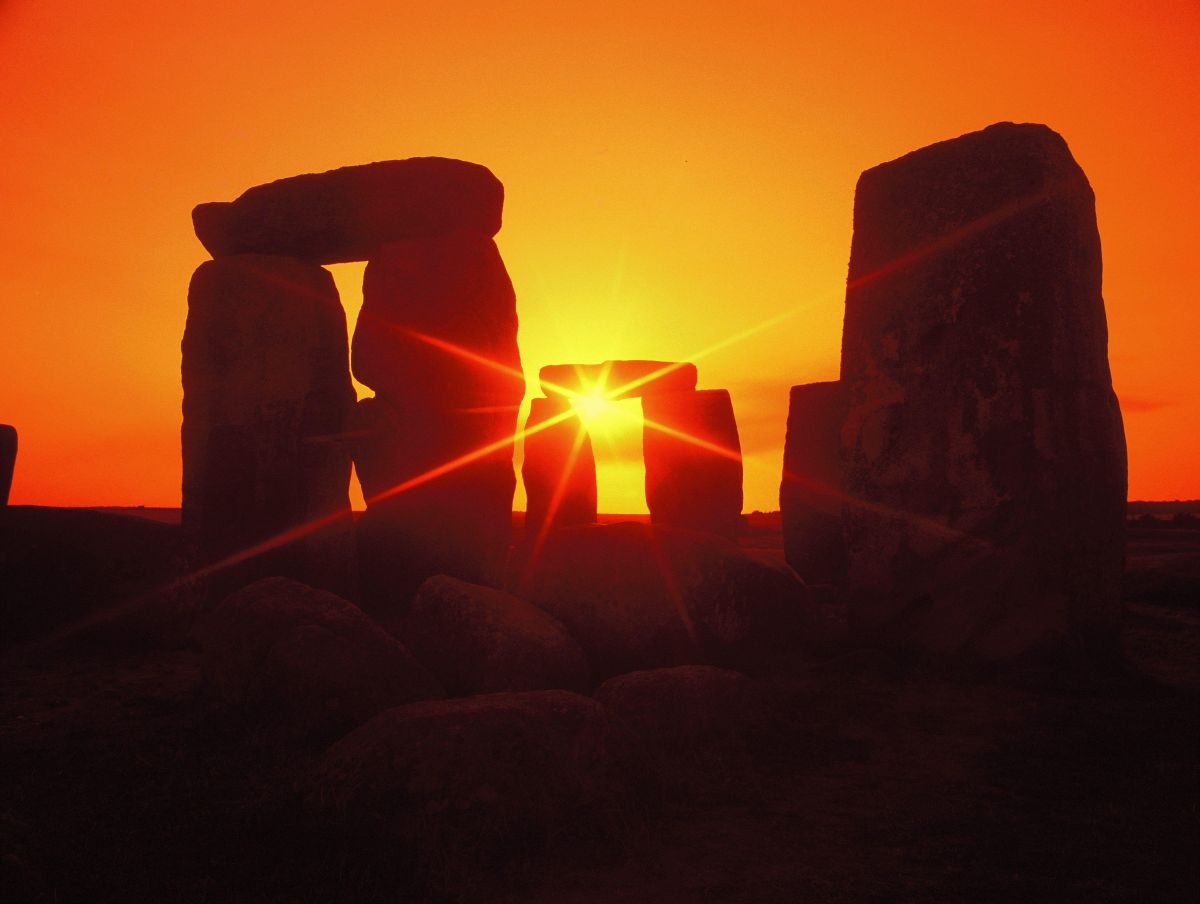
When Susan visited Bournemouth to conduct at the Concert for British Women Composers in April 1927, she also travelled 60 km north to see Stonehenge, the great Neolithic stone temple on Salisbury Plain. There she was inspired to write her tone poem Stonehenge, which was first performed in 1929.
The programme notes below were written by Susan for its performance.
Although conceived as absolute music the work has a poetic basis, which is indicated in the following notes.
A chord in the open fifth sustained by the lower brass is followed by a stately yet mysterious theme in the lower strings. Together these suggest on the one hand, bleak open upland, and on the other, singleness of purpose and stern resolve in those about to embark on an enterprise which appears enormous, incalculable, unprecedented; demanding the utmost of human courage and energy. Musically the development does not follow conventional lines, nor is the score only meant to picture merely the raising of the edifice. Rather is it intended to tune the hearer’s mind to a realisation of the heroic temper of the early builders who conceived and raised in honour of their Sun God a temple so lofty, so harmonious, so dignified, so symmetrical, in solid and heavy stone; to emphasise their faith, their resolution, their grim unconquerable zeal.
A second subject (first presented in A♭, later in D. Major) suggests achievement, and to a certain extent, beauty, wrested at heavy cost from the savagery of surrounding life. The texture of the writing is still complex, however; the emotions and thoughts crowding for utterance are tumultuous rather than placid.
Sacrificial rites are not excluded but though they had their importance, they would be inevitable and incidental in that age, nor even then would they have the significance of Stonehenge itself, marvellously wrought and raised before the dawn of mechanical science.
A short section suggestive of a triumphal march follows, technically a development of the principal subject, and a Coda combining all the thematic material previously heard suggests towards its close the soul’s haven of beauty achieved, or, outwardly, the grandeur of the Temple illuminated by the rays of the setting sun, standing lonely and serene throughout the ages.
— Susan Spain-Dunk
Susan conducted Stonehenge at concerts in 1929 and in 1931 and it was first broadcast by the BBC in 1932.
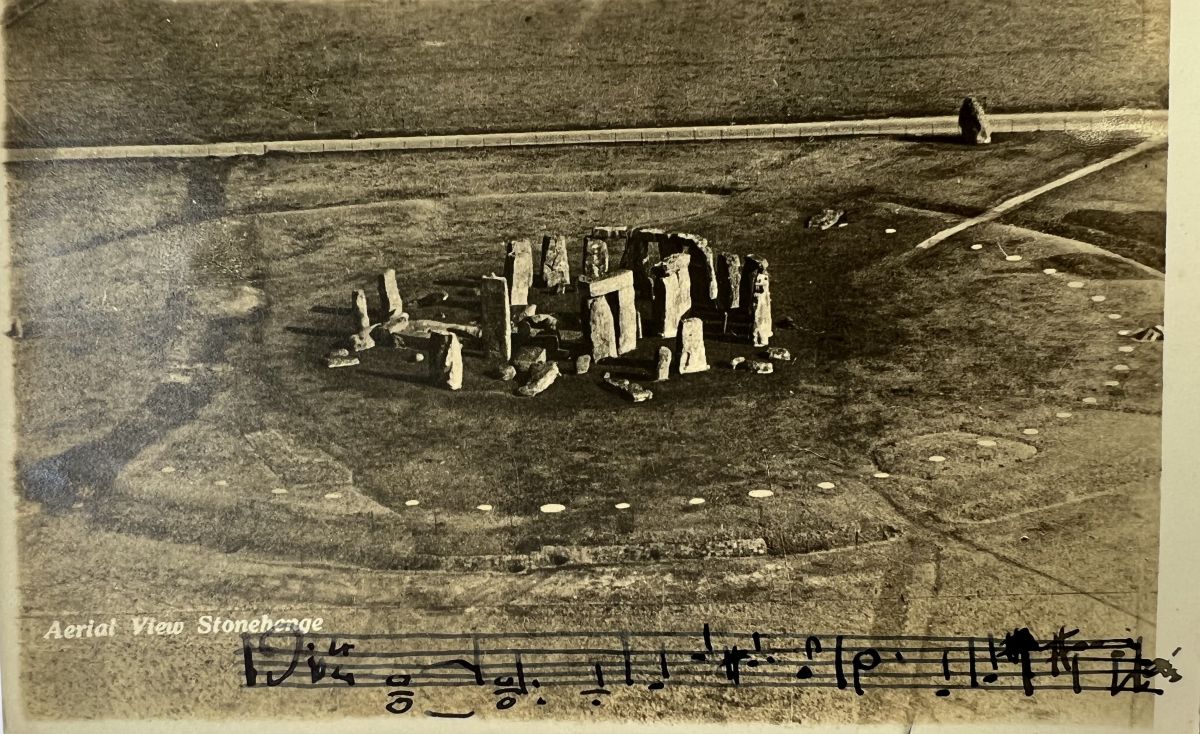
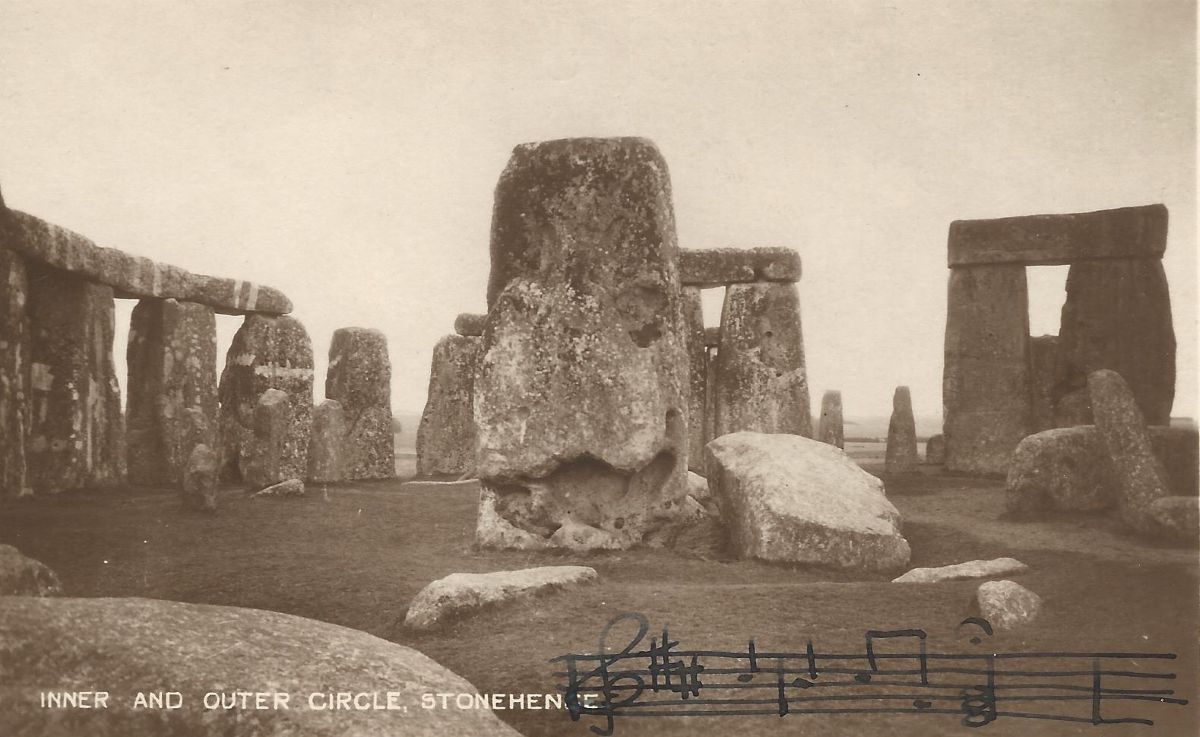
The first broadcast in modern times was a live performance in January 2019 by the BBC Concert Orchestra conducted by Anna-Maria Helsing, using a new score transcribed and edited from Susan’s manuscript by Peter Cigleris.
Listen
Section titled “Listen”BBC Sounds: BBC Concert Orchestra conducted by Anna-Maria Helsing, recorded and broadcast on 18 January 2019. (May not be available to listen in all geographies.)